Abandonware Blues: When Your Favourite Creative Tool Gets Left for Dead

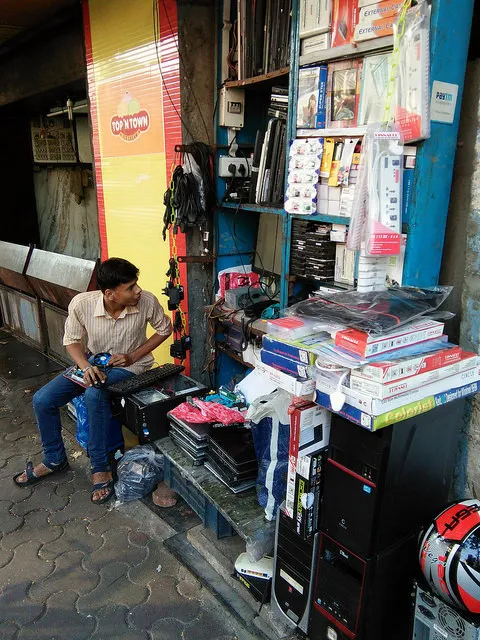
Photo: 中华人民共和国人力资源和社会保障部, Public domain, via Wikimedia Commons
Every creative has one. The tool. The odd little app, the niche plug-in, the weirdly perfect piece of software that did one job brilliantly and became load-bearing in your workflow. And then one day the website is a parked domain, the last tweet is a birthday wish from 2019, and your licence key opens a door to nothing.
The industry loves talking about big platform drama — subscription hikes, AI features nobody asked for. But the quieter, crueller loss is the abandoned tool. The one that didn't get bought out or ruined. It just... stopped.
Death by Neglect, Not Malice
The brutal truth is that most creative software doesn't die of competition. It dies of a founder's mortgage, an OS update, or a balance sheet. One developer gets a job at a big firm, the side project goes dark, and suddenly thousands of photographers are running a raw-processing plug-in that breaks the moment Apple changes something fundamental for the fourth time in a decade.
There's a special kind of grief here. Subscription tools at least have the decency to keep running while they take your money. Abandonware just leaves you with a corpse and a decision: embalm it, bury it, or start over.
The Rescue Missions
What happens next is genuinely one of the best things about the creative community. Forums fill with migration threads. Someone documents a workaround that gets the old tool running on new hardware. Occasionally — beautifully — someone open-sources the whole thing, and a dead app gets a second life maintained by volunteers with day jobs and strong opinions about version control.
The open-source rescue mission is the industry's immune system. GIMP, Darktable, Krita — plenty of today's essential tools exist because somewhere, at some point, people got fed up with waiting for a company to care. If your catalogue manager dies tomorrow, odds are a Discord somewhere is already building the successor.
But rescue culture has limits. It's volunteers, unpaid, working evenings. And there's an ethical grey zone nobody likes discussing: the abandoned tool everyone passes around cracked copies of, because the alternative is losing files. We're not going to moralise — but we will note that a dead company's product being kept alive by pirates is a verdict on the industry, not just on the pirates.
Building a Workflow That Outlives a Company
Here's the opinion bit: if your entire professional process depends on one piece of software, that's not a workflow. That's a hostage situation.
The freelancers who survive these losses share habits worth stealing. They keep master files in open formats — TIFF, DNG, plain old PNG — so any tool can read them later. They document their process, so rebuilding isn't archaeology. They know at least one alternative for every tool they rely on, even a bad one. And they treat 'export everything, regularly' as a ritual, not a chore.
It's boring advice. It's also the difference between a bad week and a bad year.
Pour One Out
So here's to the departed. The plug-ins that never got the Apple Silicon update. The apps whose forums are now a museum of 'is anyone still here?'. The tools we loved that loved us back, right up until the developer got a real job.
The lesson isn't 'don't love niche software'. Niche software is where the innovation actually lives. The lesson is: love it with an exit plan. Back up your presets. Learn the open alternative badly, now, while you don't need it.
Because in this industry, the only truly permanent tool is the one you can rebuild yourself. Everything else is on borrowed servers.