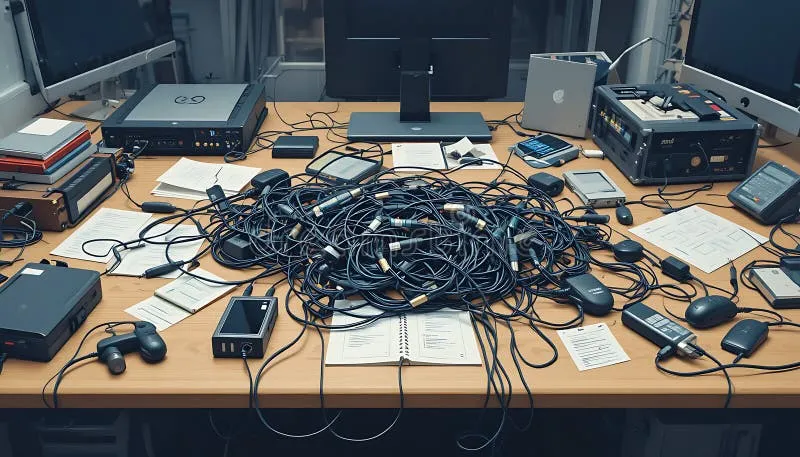
Long Live the Fix-It Man: Confessions from Britain's Repair Bench
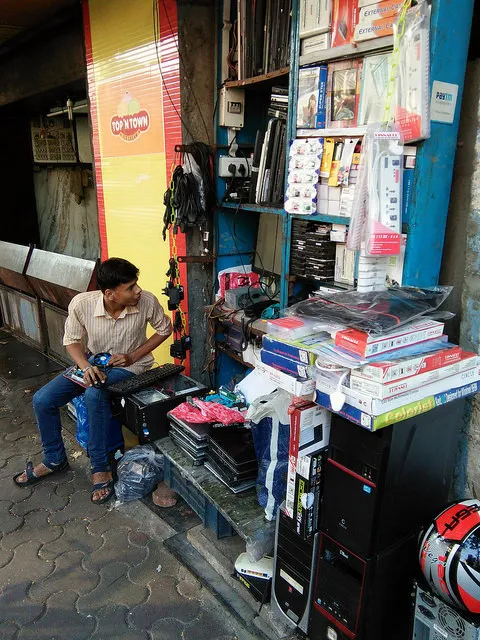
Photo: Rudolp.A.furtado, CC0, via Wikimedia Commons
The Quote That Broke Me
My trusty old DSLR — a workhorse that's shot everything from weddings to wet Bank Holidays in Blackpool — developed a shutter fault last spring. I did what we're all trained to do: I took it to the manufacturer. The diagnosis came back with a repair quote that, once you added postage and VAT, cost more than the camera was worth. Twice, actually.
The implied message was clear: this device is dead to us. Buy a new one.
Instead, I drove twenty minutes to an independent repair shop wedged between a barbers and a bookies. The bloke behind the counter — call him Dave, because his name was Dave — had it diagnosed in ten minutes, fixed in three days, and charged me less than a round of drinks in the process. He also told me which lens mounts to avoid and offered a biscuit.
This, dear reader, is the entire right-to-repair argument in one shopfront.
The Genius Bar Problem
Let's be honest about the alternatives. The big manufacturers' official repair routes are, for creatives, a special kind of purgatory. Sky-high quotes for anything beyond a screen. 'We can't recover your data' delivered with corporate serenity. Turnaround times measured in weeks while your livelihood sits in a logistics warehouse in the Midlands.
And increasingly, the software layer is fighting back too. Parts pairing — where a replacement component is bricked unless blessed by the manufacturer — turns a straightforward fix into an unauthorised act. Swap a camera part with an identical, legitimate spare and the device sulks. That's not engineering. That's a protection racket with soldering irons.
Independent shops work around this with a mix of skill, salvaged donor devices, grey-market parts and sheer bloody-mindedness. It's R&D by candlelight, and Britain's creative industries run on it more than anyone admits.
The High Street's Secret Studios
Spend an afternoon in one of these shops and you'll see a cross-section of British creative life. The videographer with a dead HDMI port two days before a shoot. The student whose laptop died mid-dissertation. The wedding photographer clutching a card reader like a sick relative. The kid with a cracked Switch, which is not a creative emergency but is absolutely a household emergency.
These shops are doing three jobs at once: repair, recycling and education. They keep working kit in circulation — vital when new bodies cost more than a month's rent in most of the UK — and they keep rare parts and hard-won knowledge alive. When a repair guru tells you 'they stopped making that flex cable in 2019, but I've got four,' you're looking at a national treasure.
What 'Fixable by Law' Would Actually Mean
The government has tinkered. Right-to-repair rules introduced in recent years cover some appliances and, more recently, have been nudged towards phones and laptops. But the exemptions are generous, the enforcement is thin, and the creative kit we actually depend on — cameras, audio interfaces, displays — sits largely outside the frame.
Proper legislation would mean manufacturers supplying parts and schematics for a reasonable period. It would mean an end to parts pairing as a lockout strategy. It would mean a repairability score on the box, the way France does it, so you know before purchase whether your next camera is a decade-long companion or a very expensive paperweight-in-waiting.
For freelancers running on thin margins, the maths is simple: repairability is a business cost. Every fixable shutter and replaceable battery is an invoice that doesn't have to be spent on depreciation.
A Modest Proposal
So here's my position, stated plainly: take your kit to the independent shop. Pay the fair price. Take the biscuit. And when a manufacturer tells you a repairable device is beyond economic repair, remember that 'economic' is doing a lot of heavy lifting in that sentence — economic for them.
The most sustainable camera, laptop or console isn't the one with the greenest marketing. It's the one Dave can fix.
Broken Pixel accepts no responsibility for readers who now interrogate their local repair shop about flex cable stock. It's a great conversation. Trust us.